1 Unit
Suitable for someone evaluating one personal-use location. Confirm included accessories and current delivery terms.
Check Current PriceCooljet Portable AC is presented as a compact personal cooling option for people who want movable airflow in spaces where a full room system may not be convenient. This page explains the product in simple language, including what to verify before ordering, how to think about placement, what kind of experience a compact cooler can realistically provide, and which factors may affect performance.
Product details, package configurations, pricing and availability can change. Confirm the current specification and terms on the destination page before making a purchase decision.
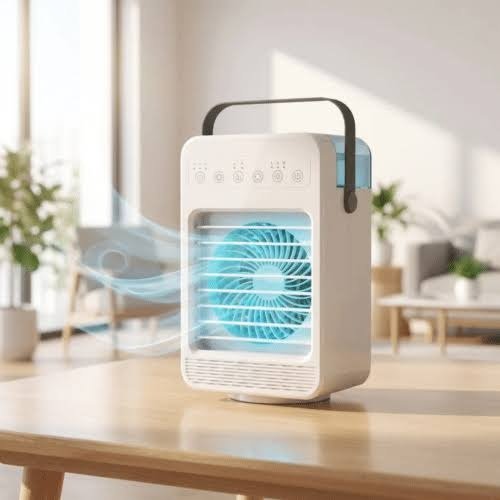
The name “Cooljet Portable AC” suggests an easy-to-move cooling device, but shoppers should not automatically assume that every product using the words “portable AC” works like a conventional compressor-based air conditioner. Compact cooling products can use different technologies. Some move room air through a fan, some use water-assisted or evaporative cooling, and some use a refrigeration cycle with an exhaust arrangement. Those differences matter because they affect cooling strength, humidity, power use, noise, maintenance and the size of area that may feel more comfortable.
For that reason, the most useful way to understand Cooljet is to focus on the current specification shown by the seller. Check the technology type, dimensions, power input, reservoir information if water is involved, control options, operating modes and recommended use. If an exhaust hose or external vent is required, that should be clearly shown. If no exhaust is used, it is sensible to treat the product as a personal air-cooling device rather than assume it will lower the temperature of an entire room in the same way as a fitted air-conditioning system.
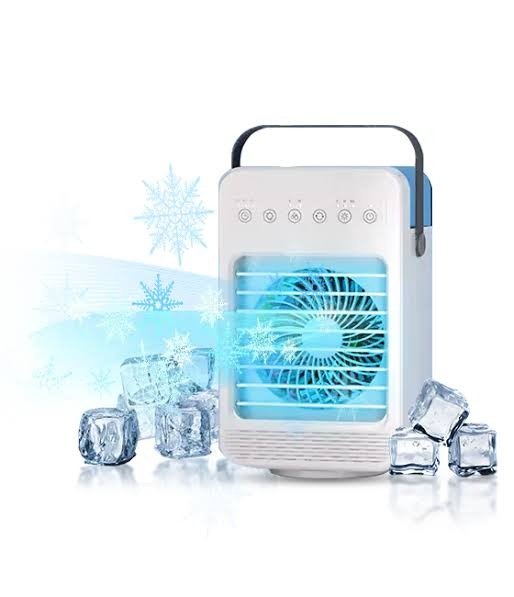
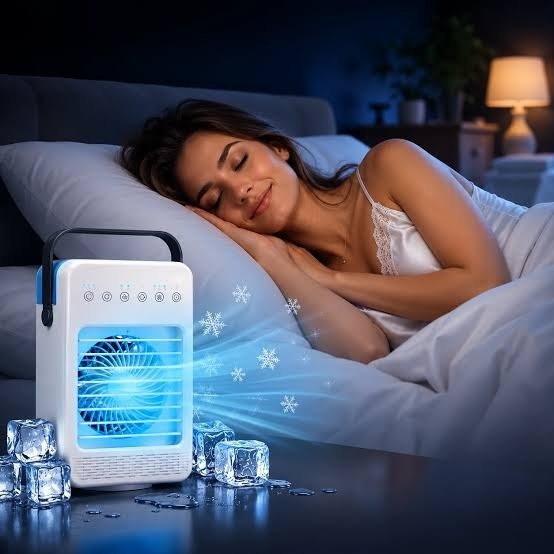
The uploaded standalone product creative helps communicate the intended use very quickly. It places the unit front and centre and visually emphasises cool airflow. That makes it useful for a landing page, but buyers should still read the technical details carefully because creative visuals do not always explain limits such as capacity, humidity dependence or cleaning requirements.
Portability remains the central idea. A smaller device can be placed near a desk, sofa, bedside area or another occupied zone. This can be convenient for targeted airflow because the device is closer to the person who wants cooling. The trade-off is that compact size generally limits how much air can be processed compared with larger equipment. Room layout, outside weather, indoor humidity, open doors and windows, heat-producing electronics and the distance between the device and the user can all influence the result.
Because product revisions can differ, the safest approach is to separate general cooling principles from specifications that must be checked on the current product page.
A compact cooling device normally begins by drawing in nearby air and moving it back into the occupied area. Air movement across the skin can improve the perception of comfort even when the overall room temperature changes only slightly. Fan speed, outlet direction and distance from the user affect how noticeable that airflow feels.
If the model uses water-assisted evaporative cooling, air passes through a damp or cooled medium and can feel cooler near the outlet. This approach tends to be more useful in drier conditions and can be less effective when humidity is already high. If the current model uses another method, follow that model's instructions instead.
Small devices are usually more effective when positioned where the airflow is actually needed. Placing the unit across a large room and expecting strong whole-room cooling may lead to disappointment. A clear path between the outlet and the occupied area generally makes more sense than hiding the unit behind furniture.

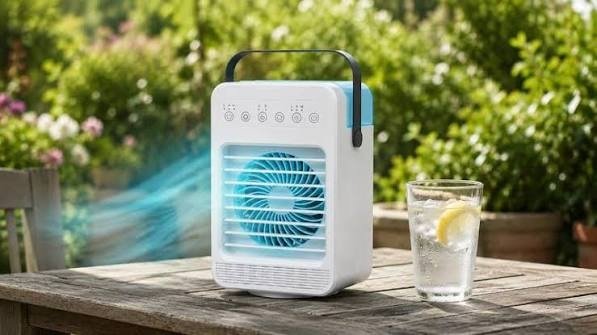
The main advantage of a compact cooling device is flexibility. Instead of cooling every corner of a room, a user can place the unit closer to a desk, reading chair, bedside table or other area that is occupied for a period of time. That can be useful in a home office or rented space where a permanent installation is not desirable.
A small footprint may also make storage easier outside the warm season. Users with limited floor space often value products that can sit on a table or small stand, although the exact dimensions and safe placement requirements should always be checked. If the unit is light enough to move comfortably, it may also be repositioned during the day as the occupied area changes.
Another practical point is control. Compact units often provide simple fan-speed or mode controls, but the exact Cooljet options should be verified rather than assumed. The useful question is whether the available controls match how you plan to use it. Someone who wants quiet background airflow while working may prioritise a lower fan setting; someone who wants stronger short-term airflow may care more about the highest setting.
The bedside image illustrates a common use case: placing the unit near a bed for close-range airflow during rest. That can be attractive during warmer evenings, but it is important to check the sound level, control lights, cable placement and any water-related care instructions before leaving the unit beside sleeping areas.
A small device can be positioned close to a desk without rearranging the whole room. Keep enough space around the air intake and make sure papers, curtains and cables cannot block airflow. If the unit contains water, place it on a stable surface where accidental spills are less likely to reach computers or chargers.
Some people prefer a gentle stream of air rather than strong room-wide cooling. Noise level is important in this setting, so check whether the current product information provides measured sound data. Marketing terms such as “quiet” are subjective unless supported by a specific test value.
Portability can be useful in flats, temporary accommodation and other places where installing equipment is difficult. However, small-room use does not automatically mean whole-room temperature control. Consider insulation, sunlight, humidity, room volume and ventilation when deciding what type of cooling equipment is appropriate.
The right choice depends on your space and expectations. These are general considerations for a compact personal cooler and should be checked against the current Cooljet specification.
Portable format: easier to move between personal-use areas than permanently installed cooling equipment.
Small footprint: potentially suitable for desks, side tables or compact rooms where large equipment is inconvenient.
Direct airflow: placing the device near the user can make the airflow more noticeable without trying to condition every part of a room.
Flexible placement: the uploaded images suggest use across bedroom, lounge and outdoor-table settings, highlighting convenience and mobility.
Simple controls: compact devices are often designed for straightforward operation, although current controls should always be confirmed on the actual listing.
Limited scale: a small device may not replace a conventional air conditioner when substantial whole-room cooling is required.
Climate sensitivity: water-assisted evaporative cooling can perform differently in humid and dry conditions.
Maintenance: filters, water reservoirs or internal surfaces may need regular cleaning depending on the design.
Noise varies by setting: higher fan speeds typically create more sound, so review measured noise information if this matters to you.
Specifications can change: online product names sometimes cover multiple revisions, making it important to verify the exact model before purchase.
No fixed price is stated here because online pricing, discounts, shipping and package configurations can change. The buttons below lead to the supplied ordering destination where current details can be reviewed.
Suitable for someone evaluating one personal-use location. Confirm included accessories and current delivery terms.
Check Current Price
May be convenient when separate rooms or two users need independent devices. Compare the total cost with buying individually.
View Package Details
For households considering several personal-use areas. Check whether the current offer actually includes three complete units.
Check AvailabilityThe package artwork on this page is illustrative and is intended to show quantity layout. It should not be treated as a photograph of the current retail package. Verify the product appearance, included items and package quantity on the ordering page.
This page is prepared for UK readers. Availability can vary by postcode, stock level, delivery partner and the terms shown by the seller. Before ordering, confirm that delivery is currently offered to your address and review the full amount payable, including any delivery charge, tax information, optional extras or currency conversion that may apply.
It is also useful to check the dispatch estimate and the return process before payment. If you are ordering for a particular date or hot-weather period, remember that an estimated delivery window is not the same as a guaranteed arrival date unless the seller explicitly states otherwise.
Check UK Order AvailabilityTo avoid presenting invented endorsements as real reviews, the examples below use fictional names and describe the kinds of considerations a buyer might have. They are not claims about actual customer experiences.
“I would mainly want something that can sit near my desk, so I would check the dimensions, cable length and lowest noise setting before deciding.”
“For a bedroom I would compare the sound specification with other compact fans and make sure any display lights can be reduced if that matters at night.”
“My priority would be portability rather than whole-room cooling. I would verify the technology first so I know whether the product matches that expectation.”
The supplied order buttons on this page direct readers to the current product destination provided for Cooljet Portable AC. Before entering payment details, confirm that the page identifies the product clearly and displays the current package, price, shipping information, contact details and return terms. Avoid relying only on screenshots, old adverts or cached prices because online offers can change.
Check whether any optional items are preselected in the checkout and review the final total before submitting an order. If a warranty or satisfaction policy is important to you, read the actual terms rather than assuming the duration or coverage from a headline. Keep your confirmation email and order reference after purchase.
Visit Ordering PageDo not assume so from the name alone. Conventional compressor air conditioners use refrigeration technology and usually manage heat through an outdoor unit or exhaust system. Compact personal coolers may use fan-based or water-assisted methods. Check the current Cooljet technical description to determine exactly how the model works.
That depends on the technology, output, room volume, insulation, sunlight, humidity and ventilation. A small personal cooling device is generally best evaluated for the area close to its airflow. If whole-room temperature reduction is essential, compare its stated capacity with equipment specifically rated for that room size.
Some compact coolers use water, while others do not. Check the current instructions. If water is required, use only the type and quantity recommended by the manufacturer and follow cleaning guidance for the reservoir and any absorbent media or filter.
If the device uses evaporative cooling, higher humidity can reduce the amount of evaporative cooling available. UK conditions vary significantly by region and day. A standard fan still moves air, but water-assisted temperature effects can differ. Verify the product technology and consider your typical indoor humidity.
For personal airflow, nearer placement is often more useful than positioning a small device across a large room. Maintain the clearances stated in the manual and keep the intake and outlet unobstructed. Never place the unit where it could be knocked over easily.
Look for a measured sound level in decibels rather than relying only on words such as quiet or whisper-quiet. Noise perception also changes with fan speed and room background noise. If you plan to use the device for sleep or calls, measured data is particularly helpful.
Use the current model's rated wattage to estimate electricity use. Energy consumption depends on power draw and operating time. A compact fan-based device may draw less power than a compressor air conditioner, but the two categories do different jobs, so power use should not be compared without considering cooling capability.
Follow the manufacturer's safety instructions. As a general rule, electrical appliances should be used on a stable surface with ventilation openings clear and cables in good condition. If a reservoir is involved, avoid setups where a leak could reach plugs, extensions or electronics.
Depending on the design, maintenance may include wiping external surfaces, cleaning an intake screen or filter, emptying and drying a water reservoir and removing mineral deposits. The current manual should take priority over general advice because materials and internal components vary.
Yes. This updated version uses the newly uploaded product creatives across the hero and supporting sections. The images provide visual context, but shoppers should still confirm the exact current retail appearance, included accessories and technical specification on the official ordering page.
No. The 4.8/5 and 15,000+ figure was provided in the page brief. This page does not independently verify the rating count, source or methodology. Check the source of any review score before using it as part of a purchase decision.
Confirm the seller identity, final price, currency, delivery cost, estimated dispatch, return address, cancellation terms, contact method, package contents and any warranty conditions. Save the order confirmation and any terms displayed at the time of purchase.
Decide whether you want direct personal airflow, occasional cooling at a desk, easier movement between rooms or genuine whole-room temperature control. These goals require different equipment. Being clear about the job prevents a small device from being judged against expectations it was never designed to meet.
Look for dimensions, weight, power rating, cooling method, tank capacity if relevant, fan settings, timer functions, sound level and included accessories. If a specification is missing and it matters to you, consider asking the seller before ordering rather than filling the gap with an assumption.
Product suitability is only one part of the decision. Delivery, returns, refund conditions, warranty handling and customer support determine what happens if the unit is delayed, arrives damaged or simply does not meet your needs. Read those terms before payment.
The following sections are included on the same page for easy access.
This static information page does not intentionally collect personal information through forms. Standard hosting services may process technical data such as IP address, browser information, device type, referrer and request logs for security, reliability and analytics. If third-party links are opened, the destination site's privacy policy applies to information processed there. Do not submit sensitive information through a site unless you understand who operates it and how the information will be used.
The information on this page is provided for general product research. Specifications, prices, stock, delivery terms and seller policies may change without this page being updated immediately. Readers are responsible for verifying material details on the current product and checkout pages. Nothing here forms a guarantee of performance, availability, savings, delivery time or suitability for a particular purpose.
Cooling experience varies according to device design and environmental conditions. This page does not guarantee a specific temperature reduction or room coverage. The rating figure is reproduced from the supplied brief and has not been independently verified on this page.
“These statements have not been evaluated by the Food and Drug Administration. This product is not intended to diagnose, treat, cure, or prevent any disease.”
The FDA wording above is included exactly as requested in the page brief. Cooljet Portable AC is described here as a consumer cooling product, not a medical product.
Some outbound order buttons use a tracked commercial link. If a purchase is completed after following such a link, the site operator may receive compensation at no additional charge stated by this page. This does not change the need to evaluate the product independently. Editorial sections are written to explain practical considerations rather than guarantee results or pressure a purchase.